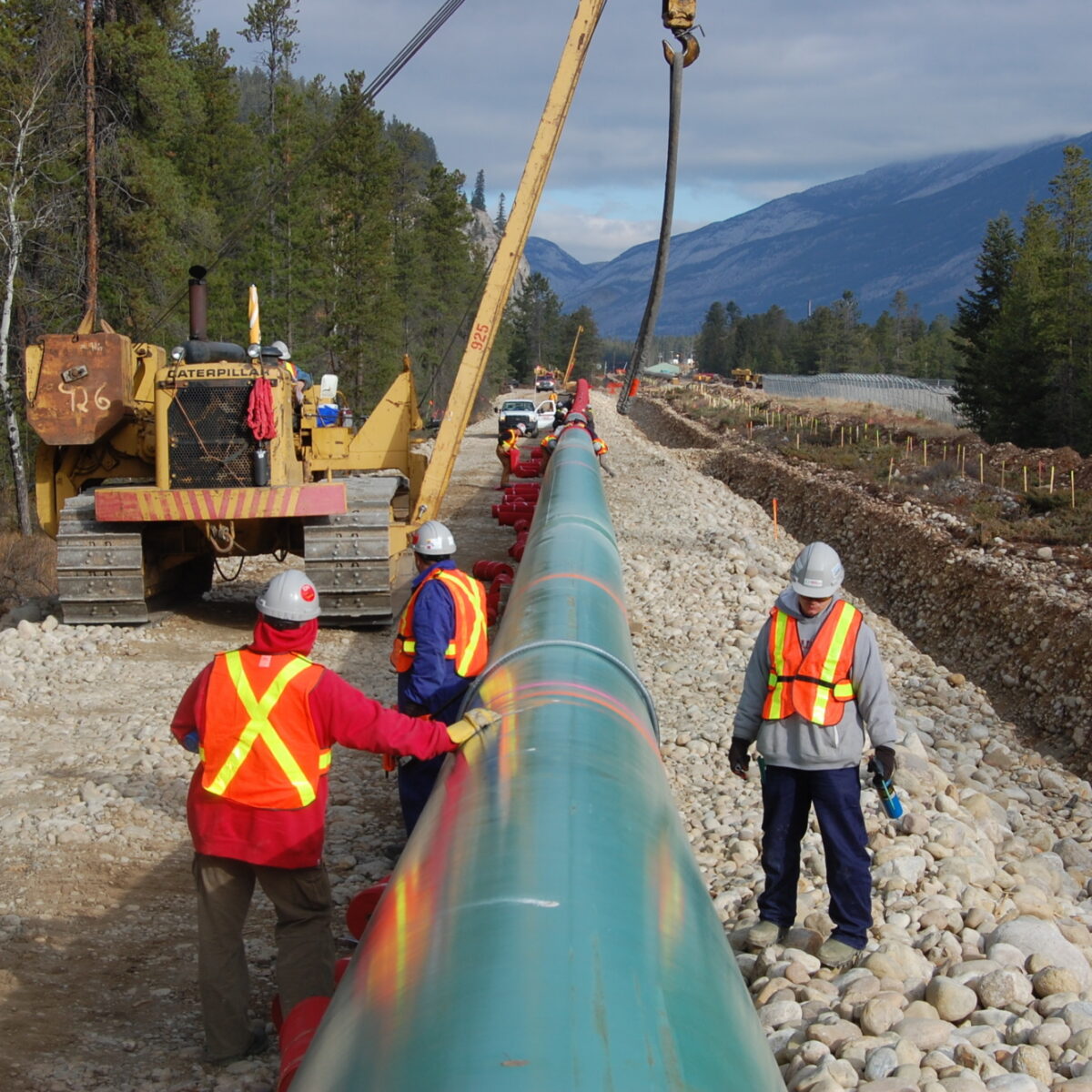
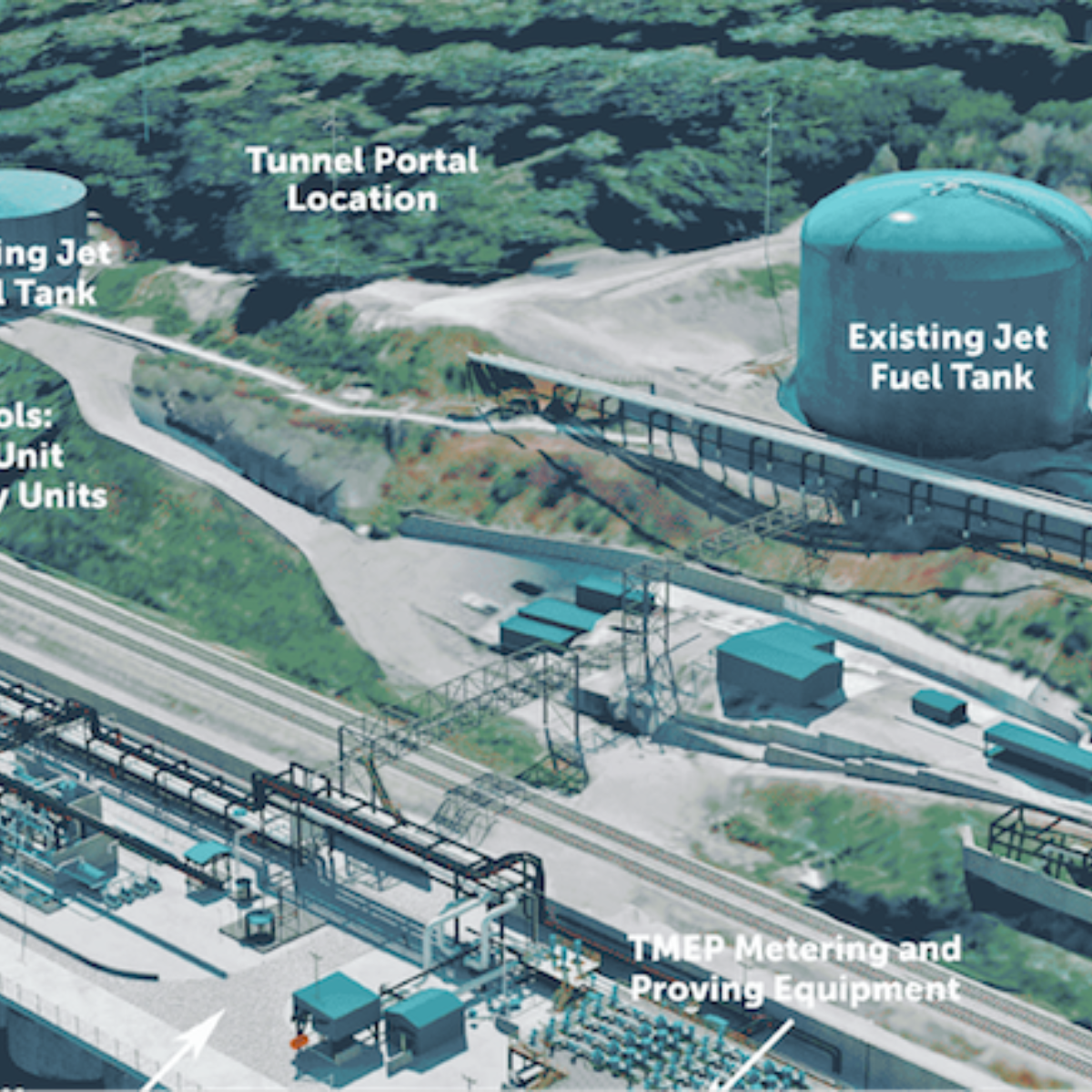
Pipeline safety and protection of the environment and communities where Trans Mountain operates are top priorities. If the proposed expansion of Trans Mountain Pipeline is approved, construction could begin as early as 2016, with the pipeline ready for use in 2017. Extensive dialogue with all landowners, neighbours, Aboriginal Peoples, communities and other stakeholders is underway and will continue throughout the construction and post-construction phases.
At the beginning of the project, an easement and any additional temporary workspace required for construction are staked out. This area, normally less than 45 metres in width, is then cleared of all trees and brush. The topsoil is also removed and carefully stockpiled for future reclamation.
From the commencement of the staking to the final cleanup, a particular parcel of land could be disrupted for one to two months. This timing is affected by many variables, however, every effort is made to minimize impact to landowners. In areas where there may be a concern regarding the safety of the public, restricted areas are established. Noise, dust and other disturbances are mitigated to avoid the impact on people near the construction.
Project construction will leverage the latest in building technologies with well-trained, safety-conscious work crews in all areas of construction. Public awareness campaigns will be undertaken to notify local communities when, where and for how long construction and/or disturbances may take place.
Following construction, Trans Mountain aims to return the right-of-way to preconstruction conditions, to the extent possible.